
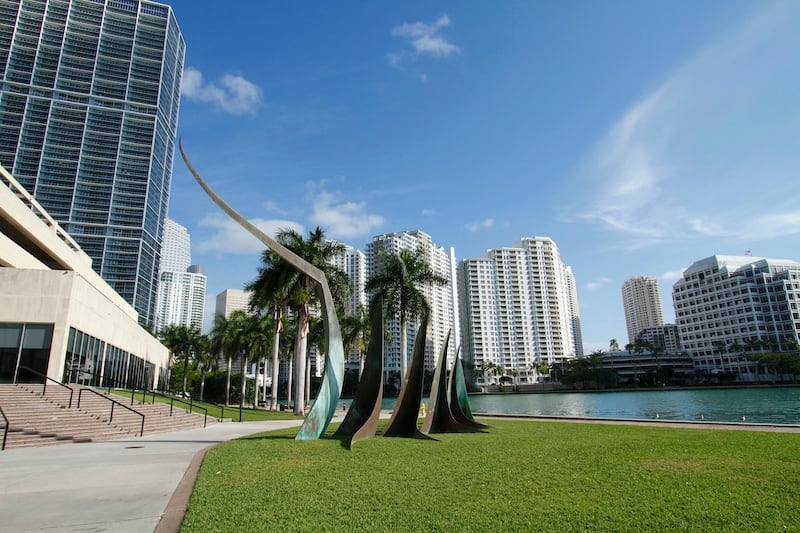
Google’s parent company, Alphabet, is more than quadrupling its office footprint in Miami, expanding from approximately 10,000 square feet to about 45,000 square feet at 1450 Brickell Avenue.
On its own, that is meaningful news for Miami’s office market. A company of Google’s scale does not expand its presence in a city without considering access to talent, clients, infrastructure and long-term business potential. The more interesting part, however, is the sequence of events surrounding the expansion.
Google co-founders Larry Page and Sergey Brin made significant residential purchases in Miami-Dade before the company’s larger office commitment became public. Page reportedly assembled a waterfront estate in Coconut Grove for approximately $188 million, while Brin purchased a home on Allison Island in Miami Beach for approximately $51 million.
The homes came first. The larger office followed.
That does not prove one directly caused the other, but it reflects a pattern we have seen repeatedly in South Florida: decision-makers begin spending more time here, establish a home, and eventually bring more of their business activity with them.
Miami Is Becoming More Than a Place to Own a Home
For years, Miami attracted second-home buyers who wanted warm weather, favorable taxes and an international lifestyle. Those advantages remain important, but the market has become more substantial.
Many of today’s buyers are not simply purchasing a place to visit. They are moving their families, enrolling children in local schools, establishing primary residences and building professional lives around South Florida.
When a founder, executive or investor begins treating Miami as home, the decision often affects more than the residential market. It can influence where companies lease space, where employees are recruited and where capital is deployed.
Google has maintained a Miami office since 2017, so this is not a new arrival. Expanding that office more than fourfold is different. It suggests that Miami has become important enough to justify a significantly larger physical presence, even if the company has not said how many additional employees may eventually work there.
The “Billionaire Wave” Can Become a Talent Wave
The phrase “billionaire migration” has been used so frequently that it can begin to sound like a headline rather than a market force.
Founders and executives attract professional networks. Their companies bring employees, vendors, advisers and service providers. Those people need office space, housing, schools, restaurants and the other infrastructure that supports daily life.
We have already seen major business leaders make visible commitments to South Florida. Citadel moved its headquarters to Miami, while other finance, technology and investment firms have expanded throughout Brickell, Downtown Miami, Miami Beach and West Palm Beach.
Google’s larger office lease strengthens the argument that this is not limited to financial services. Miami continues to become more credible as a place where global companies can operate, recruit and grow.
That credibility is important because companies tend to follow other companies. Each high-profile expansion makes the next one easier to justify.
Why Brickell Continues to Benefit
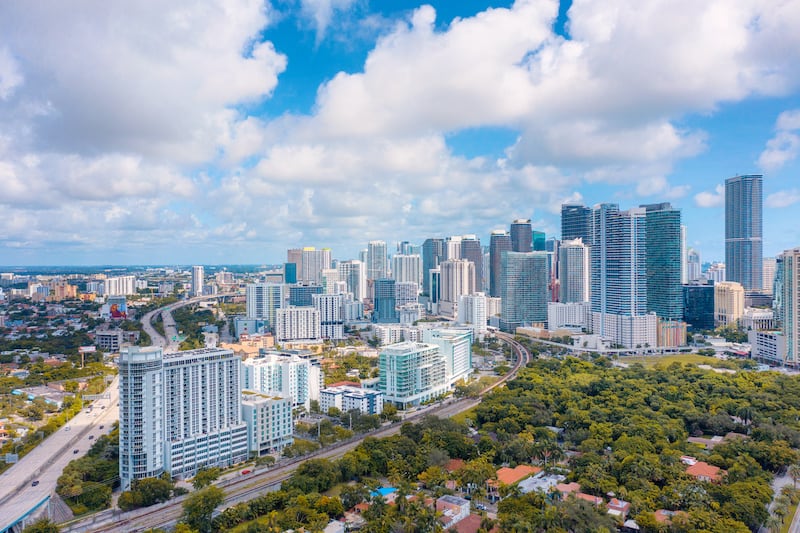
Google’s expanded office is located at 1450 Brickell Avenue, placing the company within Miami’s primary financial and business district.
Brickell offers something that few South Florida neighborhoods can match: a concentration of modern office towers, luxury residential buildings, hotels, restaurants and everyday services within a relatively compact area.
For an executive or employee relocating from New York, California or another major city, that density can make the move easier. It is possible to live close to work, walk to restaurants and maintain an urban lifestyle while still having access to the water and the broader South Florida market.
The area’s residential options are also becoming more sophisticated. New developments such as Baccarat Residences, Cipriani Residences, St. Regis Residences Miami and The Residences at 1428 Brickell are introducing a higher level of design, service and privacy to the neighborhood.
That matters to the same audience helping drive Miami’s corporate growth.
The Residential Purchases Are Part of the Business Story
Larry Page’s reported Coconut Grove estate and Sergey Brin’s Allison Island purchase represent two very different versions of Miami living.
Coconut Grove offers privacy, mature landscaping, waterfront estates and proximity to schools and Coral Gables. It has become particularly attractive to families seeking a more established residential setting.
Allison Island offers gated waterfront living in Miami Beach, with boating access and a central location between South Beach, Mid-Beach, Bal Harbour and the mainland. The common factor is the ability to combine privacy, water access and proximity to the city. That combination continues to attract people who could live almost anywhere.
It is also why Miami’s high-end housing market cannot be viewed only through traditional local measures. At the upper end, demand is influenced by global wealth, corporate mobility and the personal decisions of business leaders who are increasingly treating South Florida as a primary base.
What This Could Mean for Miami Real Estate
One office expansion will not transform the entire market, and it is too early to know whether Google will significantly increase its local workforce. Still, the direction is worth paying attention to.
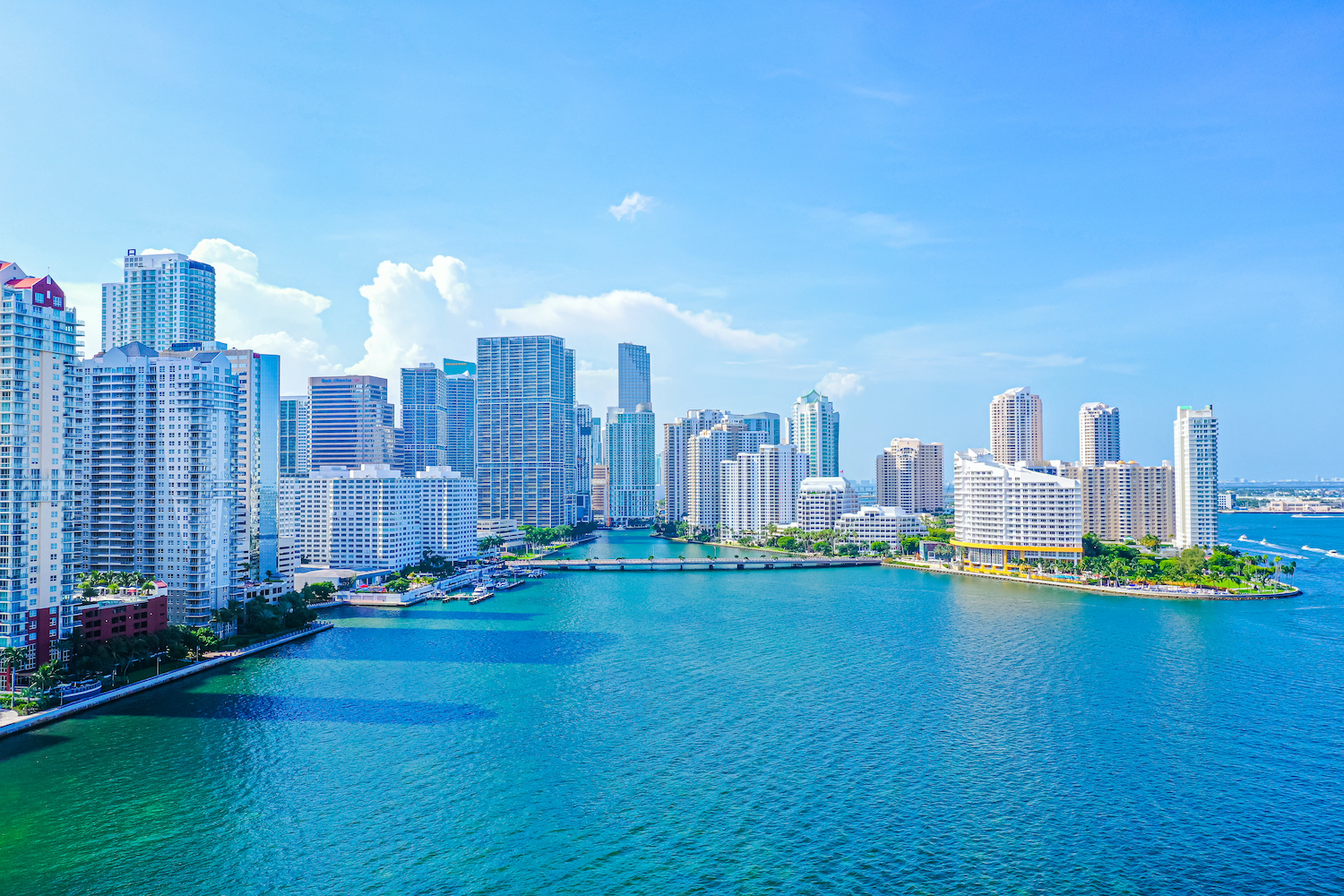
Miami is becoming more established as both a residential and business center. The city is no longer asking global companies and executives to take a chance on an emerging market. It can point to an existing concentration of capital, talent and international connectivity. For real estate, that can support demand across several segments.
Executives may seek waterfront homes in Coconut Grove or Miami Beach. Employees may prefer condos in Brickell, Downtown Miami or Edgewater. Families may look toward Coral Gables, Pinecrest and other neighborhoods offering more space and access to schools.
The effect will not be identical everywhere, but sustained corporate growth creates a broader and more durable base of housing demand than seasonal activity alone.
Miami’s Momentum Is Becoming More Connected
The most important takeaway is not that Google signed a larger lease or that its co-founders purchased expensive homes. It is that Miami’s residential, business and lifestyle stories are increasingly connected. People move here because they value the way Miami allows them to live. Once they are here, business decisions often follow. This is how a second-home market becomes a primary market, and how a lifestyle destination becomes a more complete global city. Google’s expansion is another sign that the transition is continuing.
For guidance on Miami relocation, Brickell condominiums, Coconut Grove homes or waterfront opportunities throughout Miami Beach, contact The Meridian Advisors.